
Latest Posts

Why there’s so little left of the early internet
It took nearly five years into the internet’s life before anyone made a concerted effort to archive it. Much of our earliest online activity has disappeared. This post was originally written by Stephen Dowling for BBC Future. In 2005, student Alex Tew had a...

Technology in the twilight zone: What early use of the lie detector in court can tell us about machine learning now
This guest post was written by Marion Oswald, Senior Fellow at the Faculty of Law, Winchester University. This post therefore...

Police use of technology impacting privacy rights
This guest post was written by Jamie Grace, Senior Lecturer in Law at Sheffield Hallam University. This post therefore reflects the views of the author, and not those of the ILPC. The use of...

The debate on automatic facial recognition continues
This post was originally written by the Surveillance Camera Commissioner, Tony Porter, and published on the Surveillance Camera Commissioner blog. Once again the issue of police use of Automatic Facial Recognition (AFR) technology has come into public spotlight. This...

A Ten Point Rule of Law Test for a Social Media Duty of Care
This post was originally written by Graham Smith and published on Cyberleagle. All the signs are that the government will shortly propose a duty of care on social media platforms aimed at reducing the risk of harm...

Gender in the World of Science
Is inequality holding back innovation in STEM? In the domain of STEM, where the glass ceiling is still a reality, how can women become the drivers of success in A.I., natural sciences and medicine via gender-inclusive research? Gender and STEM: An Overview In recent...
Event: ‘A Nightmare Scenario: Technology and Democracy’ at POLIS, University of Cambridge
On 22nd January the Forum on Geopolitics (POLIS) at the University of Cambridge hosted ‘A Nightmare Scenario: Technology and Democracy’, a lecture that addressed the effects technology could have on the functioning of contemporary democracy. Each of the speakers...
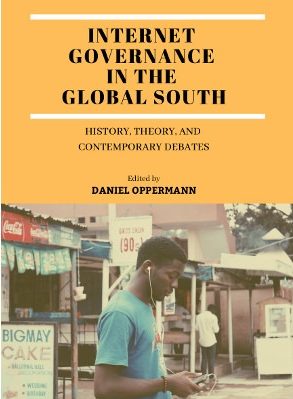
New Publication: Deconstructing the Paradoxes of South Africa’s Emerging Discourse and Framework on ICTs and Internet Governance
Dr Rachel Adams, Early Career Researcher at the Information Law and Policy Centre (ILPC), has co-authored a chapter in the new NUPRI publication ‘Internet Governance in the Global South – History, Theory and Contemporary Debates.’ The chapter is entitled...
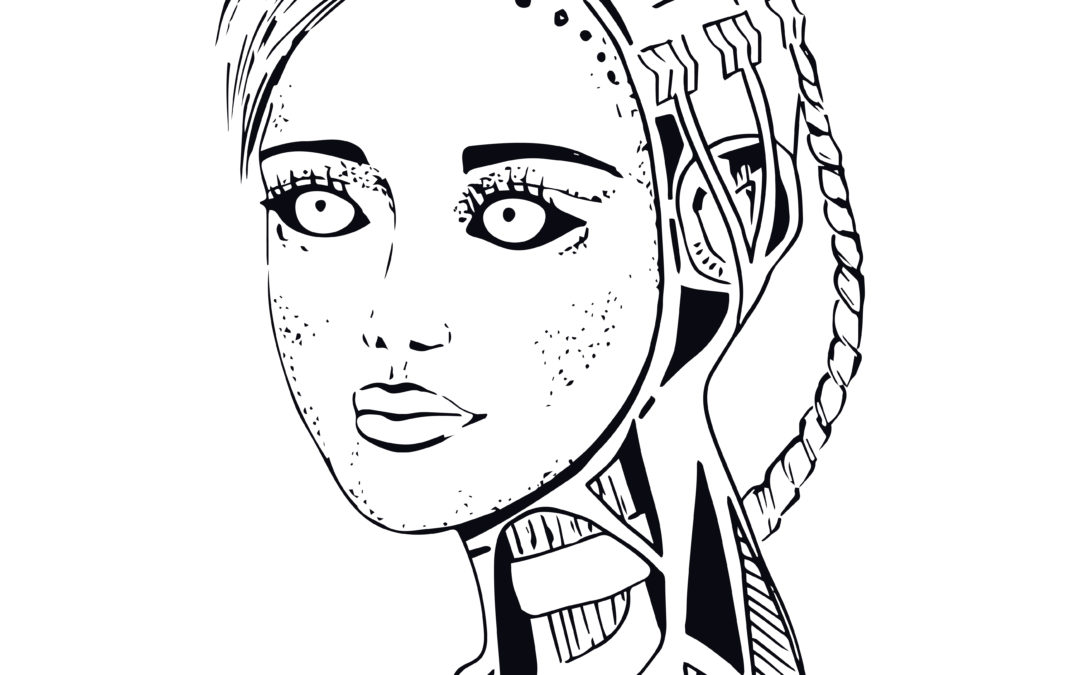
Women and AI: Harms, Impacts and Remedies
Date 7th March 2019, 17:30 to 18:45 Institute Institute of Advanced Legal Studies Type Seminar Venue Conference Room, Institute of Advanced Legal Studies, 17 Russell Square, London WC1B 5DR Description Our daily interactions with AI-driven technologies –...

Mind the Gap: a blueprint for a new regulatory framework that effectively captures citizen journalists
Date 28 Feb 2019, 17:00 to 18:45 Institute Institute of Advanced Legal Studies Type Seminar Venue Institute of Advanced Legal Studies, 17 Russell Square, London WC1B 5DR Mind the Gap: a blueprint for a new regulatory framework that...