
Latest Posts
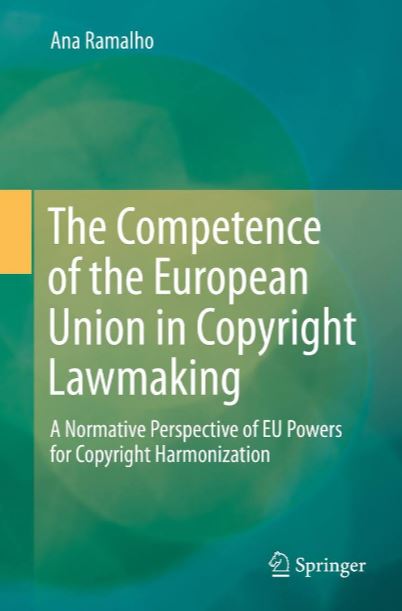
The Competence of the European Union in Copyright Lawmaking
Book launch event at the IALS 6pm - 8pm, 15 Dec 2016 Register online at Eventbrite to book your free ticket Speaker: Dr Ana Ramalho, Assistant Professor of Intellectual Property, Maastricht University Discussant: Professor Lionel Bently, Herchel Smith Professor of...

How the UK passed the most invasive surveillance law in democratic history
In this guest post, Paul Bernal, Lecturer in Information Technology, Intellectual Property and Media Law at the University of East Anglia, reflects on the passage of the Investigatory Powers Bill. The legislation was recently passed in Parliament and given Royal...
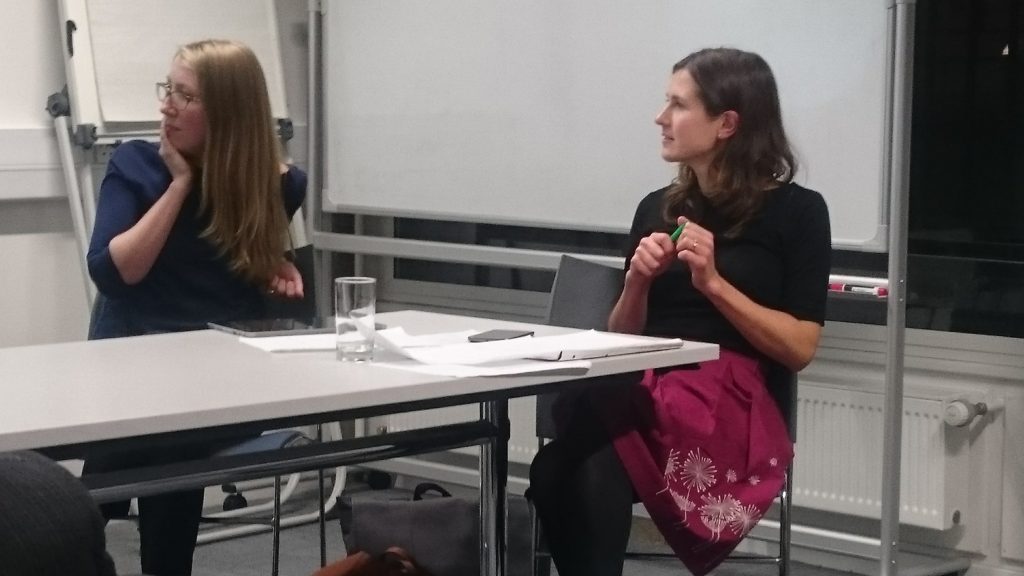
Information Law and Policy Centre’s annual workshop highlights new challenges in balancing competing human rights
Our annual workshop and lecture - held earlier this month - brought together a wide range of legal academics, lawyers, policy-makers and interested parties to discuss the future of human rights and digital information control. A number of key themes emerged in...

Open letter in the Daily Telegraph: Concerns with ‘information sharing’ provisions in the Digital Economy Bill
Associate research fellow at the Information Law and Policy Centre and lecturer in media and information law at the University of Sussex, Dr Judith Townend, is among the signatories of this letter published on the letters page of the Telegraph on 25/11/2016...
Access to information should not be an after-thought in plans for ‘transforming our justice system’
In this post, Sussex University lecturer Judith Townend argues that access to information should be at the heart of plans to reform the justice system. She summarises the key points from her submission to the Ministry of Justice in response to the consultation on the...
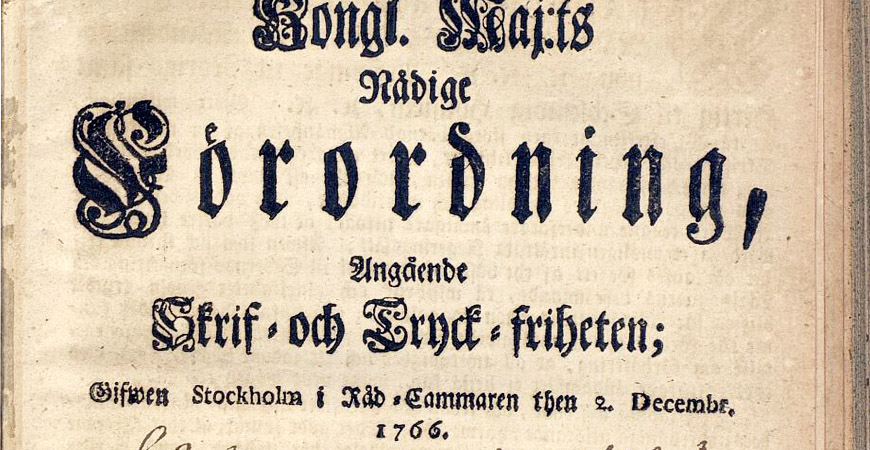
Article 19 event: 250 years of freedom of information
On 2 December 1766, the world’s first-ever freedom of information law was signed into law. It had been promulgated by the Riksdag – Parliament – of Sweden and Finland, which at the time was one country. The 1766 Law is the oldest constitution to regulate freedom of...
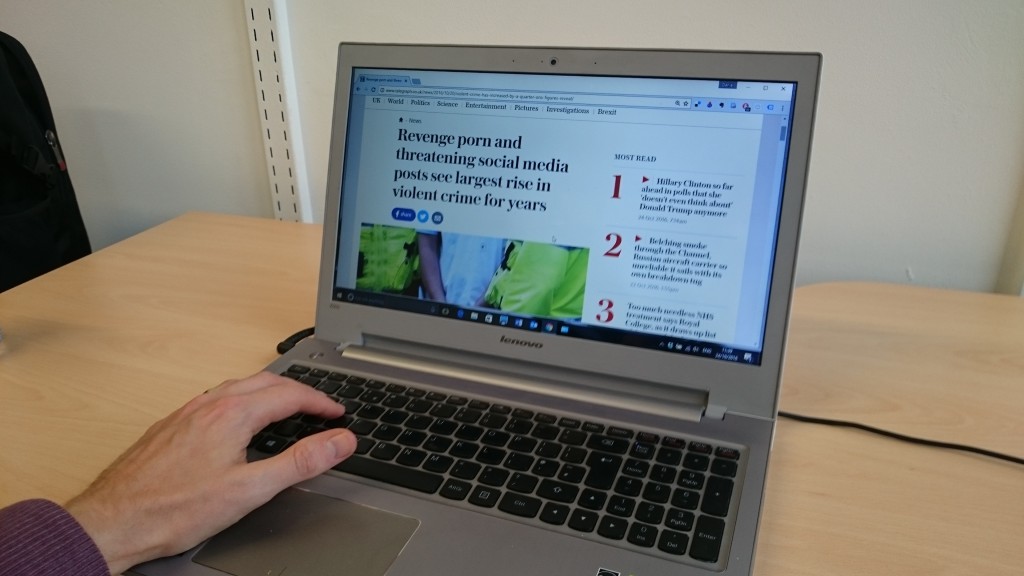
Social media and crime: the good, the bad and the ugly
Social media has revolutionised how we communicate. As part of a series for The Conversation, Alyce McGovern, UNSW Australia and Sanja Milivojevic, La Trobe University summarise how social media is affecting crime and criminal justice. The popularity of social media...

‘Tracking People’ research network established
A new research network has been established to investigate the legal, ethical, social and technical issues which arise from the use of wearable, non-removable tagging and tracking devices. According to the network's website, tracking devices are increasingly being...
Full Programme: Annual Workshop and Evening Lecture
Restricted and Redacted: Where now for human rights and digital information control? The full programme for the Information Law and Policy Centre's annual workshop and lecture on Wednesday 9th November 2016 is now available (see below). For both events, attendance...
EU Copyright Reform: Outside the Safe Harbours, Intermediary Liability Capsizes into Incoherence
In the following piece, Christina Angelopoulos, lecturer in intellectual property law at the University of Cambridge, analyses the aspects of the Commission's new proposal for the digital single market directive that are relevant to intermediary liability. The post...